Intervention for Struggling ELL Readers
x
4. Metacognition
Metacognition and Reading
Metacognition is a student's ability to use prior knowledge to plan a strategy for approaching a learning task, take necessary steps to problem solve, reflect on and evaluate results, and modify his or her approach in order to get the most meaning from reading, thereby achieving the reading goal (reading for meaning, setting purposes).
Metacognition is a set of problem solving behaviors that occur naturally among proficient academic achievers and readers. When proficient readers read, they through new or unknown words by using context: reading ahead, re-reading, thinking about what the word might mean in another context, and 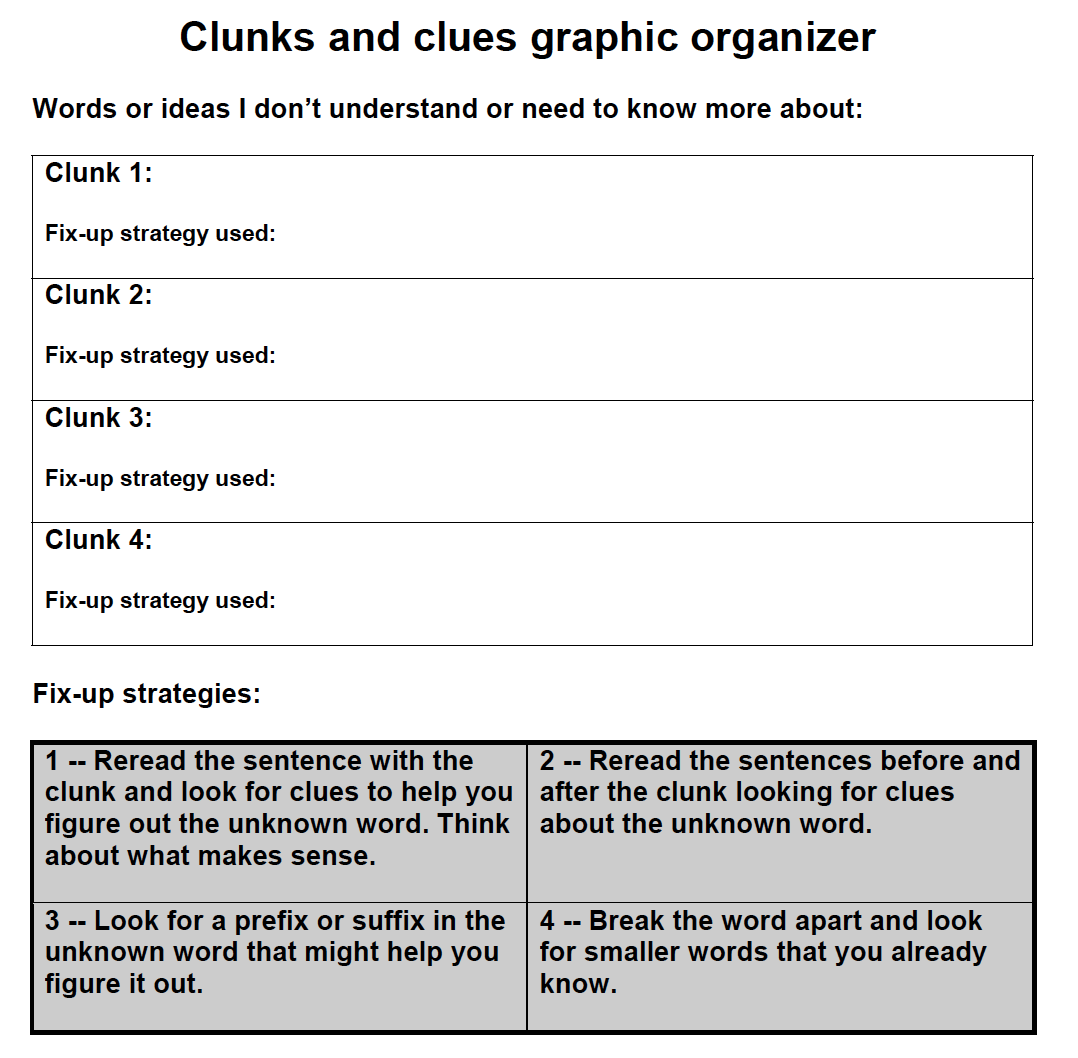 leveraging that with how it is used in the present context. Awareness of this thinking process allows a transfer to other challenges encountered when reading, and thereby becomes a cognitive process with the goal of problem solving. This is metacognition (Flavell, 1978).
Metacognition has strong implications for comprehension monitoring in reading. It is an act that allows readers to intentionally apply a think-through process to uncover meaning, and to go deeper into meaning. Through constantly monitoring their own thinking, they reach their reading goals sooner, and more intentionally. Self-correction is one result of metacognition, especially in beginner and emerging readers. When they make a miscue that doesn't make sense, or when an older reader encounters a new, unknown word, they think their way through it applying a metacognitive process, understanding that the process worked before, it will work again. Grammatically, syntactically, and conceptually, if a word doesn't make sense in the context it is used, good readers will continue to try, applying metacognition, until they get it right.
Struggling readers and students struggling to learn a new language will not apply metacognition, or engage in this problem solving behavior; rather, they'll just continue to read without drawing meaning or understanding, or shut down the act of reading altogether and become frustrated. We want struggling readers to understand that the act of reading is one of active thinking, seeking links between ideas in the text, their own experiences, and what makes sense in the context of what they are reading, whether it is new information or what they already know. Reading should be a rapid and seamless series of events that tie together when they are finished because of the work they did along the way. Struggling readers typically read to memorize details, and while this is a monitoring process, it is not the same and will not result in full understanding (Allington, 2001; 2008).
Teaching Struggling Learners and ELLs Metacognition
The best and strongest way to teach metacognition is to model it for students. When reading aloud, think outloud about your own process. Encounter a challenge word and think through it, for example:
"I'm not sure about this word. Let me back up and read that sentence again...still not sure, it looks familiar but doesn't make sense in this sentence. Maybe I am saying it wrong. (Tries saying it again.) It should sound like that but, let me keep reading the whole paragraph and then back up (reads entire paragraph). Yes, now that makes sense."
Another way to teach metacognition is to question a student when reading alongside him or her. If it is evident the student is struggling with the word, or did not say the word properly enough to make sense as it was intended to be used, but continues to read on anyway, stop the child and ask if it makes sense. Ask questions to help the student work through the process: back up, re-read the sentence, continue with the paragraph, back up and try it again. The Clunks and Clues strategy guide and graphic organizer can aid in this, and is in the Course Objectives | Research | Materials folder.
It is always best to teach metacognition while the students is encountering the reading problem. Other metacognitive strategies include:
- Facilitate Self-reflection. Have students reflect throughout the learning and reading process to critically analyze, draw conclusions, and leverage new information with prior knowledge. This can be achieved through reading logs, journals, note-taking, and even peer discussions.
- Teach Self-questioning. Teach learners to generate their own questions and answer them using questioning strategies such as Question Answer Relationships (QAR), Question the
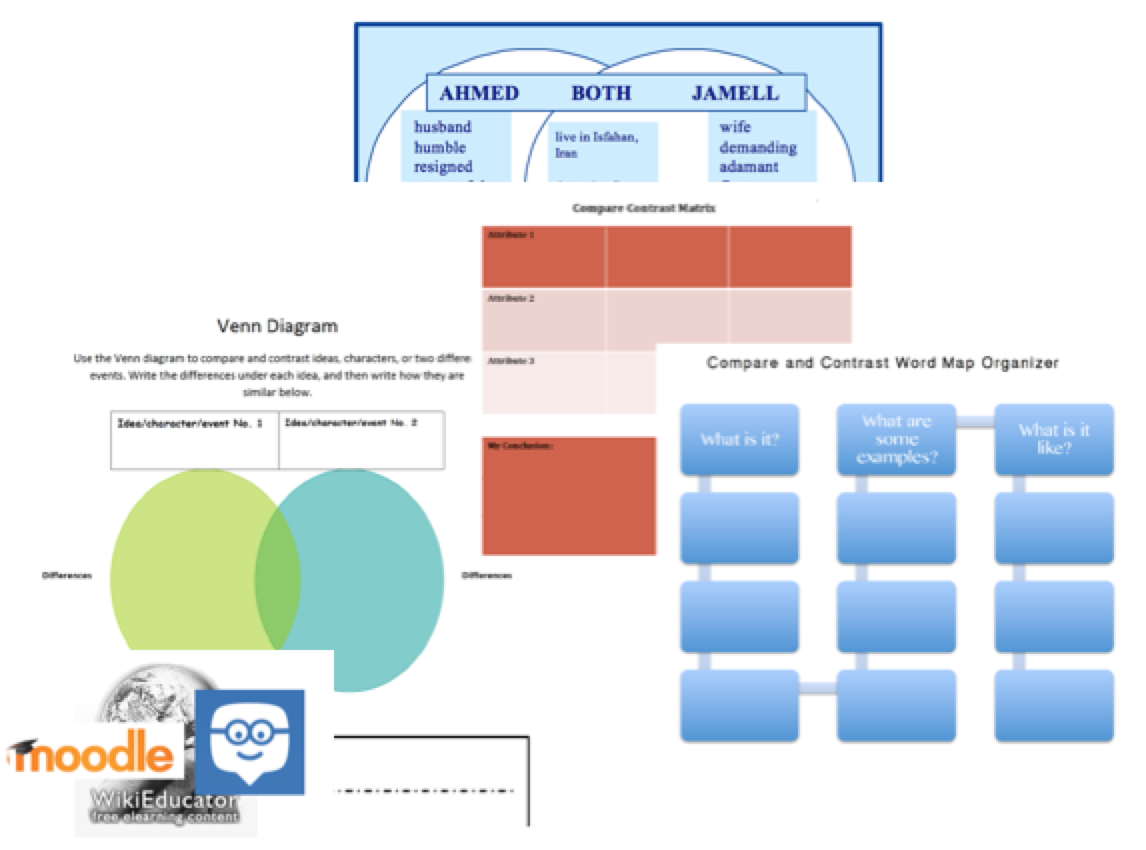 author (QtA), Self Questioning by Buehl, and Say Mean Matter - strategy guides for each of these can be found in the Course Objectives | Research | Materials folder.
 - Allow for Trial-and-Error learning. Our brains were designed to learn by mistakes (Jensen, 2008; Martinez, 2013). Allow students opportunities to make mistakes and continue trying. Build their capacity to lean into challenge versus run from failure.
- Pair students up with Mentors. Peers can become good role models in demonstrating use of strategy and skillful learning effort. Appropriately pairing ELLs with English speaking students can go a long way in advancing each of them academically. Teachers learn by teaching, and learners learn with observation.
- Team Problem Solving: Place students in cooperative learning teams to solve problems together. By discussing their approaches and coaching each other in working through the problem, students who struggle will see good strategy play out first-hand, and likely mirror it in their own.
References:
Flavell, J. H. (1987). Speculations about the nature and development of metacognition. In F. E. Weinert & R. H. Kluwe (Eds.), Metacognition, motivation, and understanding (pp. 21–29). Hillside, NJ: Lawrence Erlbaum Associates.
Schraw, G., & Dennison, R. S. (1994). Assessing metacognitive awareness. Contemporary Educational Psychology, 19, 460–475.
White, Barbara and John Frederiksen. A Theoretical Framework and Approach for Fostering Metacognitive Development. Educational Psychologist, 40(4), 211–223, 2005.