Intervention for Struggling ELL Readers
| Site: | Literacy Solutions On-Demand Courses |
| Course: | Methods of Instruction for ELLs, Grades K-12 - No. ELL-ED-112 |
| Book: | Intervention for Struggling ELL Readers |
| Printed by: | Guest user |
| Date: | Wednesday, July 15, 2026, 3:51 AM |
Description
x
1. The Role of Literacy and the Needs of Struggling Learners
First, some hard facts about literacy:
- 37% of students in grade 4, and 26% of students in grade 8 can’t read at a basic level.
- The greatest achievement gaps are among minority groups, with 75% of white students reading at or above basic, compared to 44% of Hispanic and 40% of African American students.
- Similar results exist for students eligible for free or reduced lunches, or students from poverty. (National Assessment of Educational Progress - NAEP)
How do we meet the needs of our struggling learners?
In the Age of the Common Core, meeting the needs of our mainstream readers presents new 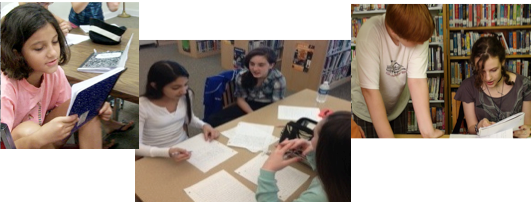 challenges. With new expectations to rise to, the stakes have become even higher for our at-risk learners.
Learning environment, student engagement, learning styles, learning preferences, text readability and readiness for learning are all factors to consider when designing instruction for all learners, as well as for those that struggle. Compton-Lilly (2009) in, “What Can New Literacy Studies Offer to the Teaching of Struggling Readers?” call reading a "social experience" that involves culture and identity, with important roles to play in learning to read. New literacy studies have linked effective literacy practice to lives, identities, and social affiliations (p. 88). With new strategies that move students beyond ordinary literacy tasks to recognition and appreciation of the overall role that literacy experiences play in their learning, the role of social media and new technologies can take center stage in advancing student achievement.
New media has everything to do with it!
Digital print and animation, streaming video, audio, music, sports and constant information feeds are powerful learning forces (Dyson, 2003; Pickering, 2005 In: Compton-Lilly, 2009). Technology has been, and continues to be, a proven method for closing achievement gaps among struggling readers.
Students need daily opportunities to read material at their independent and instructional reading levels to become more fluent readers, and therefore classrooms should have libraries that reflect this need (Ogle, 2010). They need regular opportunities to use academic vocabulary in every day conversations to assimilate and master them, thereby taking greater responsibility for their own learning.
How do we identify effective methods that differentiate for diverse and struggling learners? We remain aware of, and become sensitive to, their cultural backgrounds and learning preferences. We need to select methods that address students learning preferences by responding the following ways:
a) Working one-on-one or in a small groups, allowing students opportunities to coach one another, give feedback, and even mentor.
b) Using humor and emotion in learning through the assignments we give, the outsiders we have in the classroom to present, and the content we share with them. Humor and emotion bring out their "human" side while investing them further in learning through higher engagement.
c) Recognizing achievement. Not through competition either; by recognizing all students, equally. This might require several types of opportunities throughout the year, such as through projects that involve speaking, writing, reporting, interviewing, etc. All students must have an opportunity to shine.
d) Employing and encouraging the use of creativity alongside conformity. Setting rules, giving out instructions, but also allowing them enough room to exercise creative control over their work. Some examples: encouraging student voice in writing, allowing assignments to be accompanied with artwork, and facilitating the ideas students come up with on their own. Making time for them to come up with their own ideas is even better!
e) Creating plenty of activities that involve visual, auditory, or tactile and kinesthetic learning.
f) Provide constant clarification with resources in language and text students understand, as well as through supplemental materials.
g) Allow students opportunities to listen to audio versions of text.
i) Scaffold by combining shared reading with think-alouds, pre-reading activities, guided reading, and post-reading activities.
In this course we’ll continue to examine a number of approaches for differentiation in curriculum design, teaching, and assessments. Each study we review, and source we examine, will share experiences and strategies drawn from work with students in various classrooms of multiple demographics, along with the methods that worked successfully to meet their needs. Keep an open mind as we leverage these strategies in our own classrooms through assignment completion, and then use these new approaches across multiple content areas as we further refine them into expanded lesson ideas.
References:
Compton-Lilly, C. F. (2009). What Can New Literacy Studies Offer to the Teaching of Struggling Readers?. Reading Teacher, 63(1), 88-90.
Proctor, C., Dalton, B., & Grisham, D. L. (2007). Scaffolding English Language Learners and Struggling Readers in a Universal Literacy Environment With Embedded Strategy Instruction and Vocabulary Support. Journal Of Literacy Research, 39(1), 71-93. doi:10.1080/10862960701326530
Ogle, D., & Correa-Kovtun, A. (2010). Supporting English-Language Learners and Struggling Readers in Content Literacy With the "Partner Reading and Content, Too" Routine. Reading Teacher, 63(7), 532-542.
Palumbo, A., & Sanacore, J. (2009). Helping Struggling Middle School Literacy Learners Achieve Success. Clearing House, 82(6), 275-280.
Sanacore, J. (2002). Struggling literacy learners benefit from lifetime literacy efforts. Reading Psychology, 23(2), 67-86. doi:10.1080/027027102760351007
2. Reading: Early Literacy Basics
Quality reading instruction is grounded in research with a strong evidence-base. Reading is a complex process which is highly correlated with the subject’s affect and experience. A student’s linguistic and cultural background can influence his perception, motivation and performance on school-related tasks, particularly those which involve language. Uncovering details of a student’s culture becomes inherent in the learning process.
There are a number of factors that influence early literacy development (Gollnick & Chinn, 2002). They include:
- Spiritual and religious beliefs, holidays and custom
 s
s - Geography, urban or rural
- Age of parents
- Socioeconomic status
- Disability
- Migration and time of arrival
- Ethnicity and Race
- Gender Identity
- Language
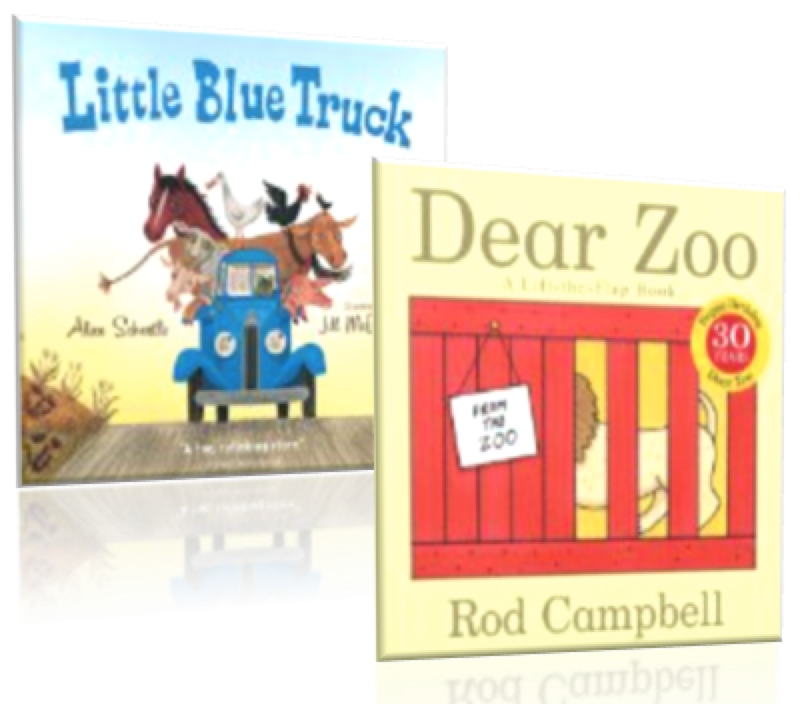
These factors are more salient when children are infants, before they begin formal schooling, particularly given that they have experienced limited exposure to the outside world. Consider the case of a single parent family entrenched in poverty. The surviving parent must work several jobs to meet the economic demands of the household and consequently becomes exhausted by the end of the day, leaving little time or energy for reading and interacting with others present in the household. When school finally begins, the child has not been around books and therefore does not know how to use them. Teachers of early childhood may observe students who rip, throw or step on reading materials even before they are actually taught to read.
Becoming culturally sensitive is imperative to professional practice, particularly during the early years. Young children are forming their initial impressions of adults and peers alike, and thus they require constant modeling and instruction to meet sequential milestones which underscore the emergence of literacy.
Oral and Written Language Instruction
Reading comprehension is a complicated process, and teaching it can be equally as complicated. Much of this involves the use of declarative knowledge, procedural knowledge and conditional knowledge (Duffy, 1993). Teachers should start with direct instruction and then use guided practice to reach the child’s zone of proximal development (Vgotsky, 1934/1986). Eventually, students begin to perform some learning tasks more independently.
Effective reading comprehension strategies encompass four categories in primary education:
- strategies substantiated by research and widely used
- strategies substantiated by research but not widely used
- those not substantiated by research but widely used
- instruction not widely researched or widely used but potentially promising (Stahl, 2004)
Below are some examples of primary grade strategies substantiated by research, all of which will be discussed in more detail throughout this course. Materials to support these strategies are also available in the Course Objectives | Research | Materials folder.
- Guided/instructed retelling
- Story maps with teacher generated questions
- Question/answer relationships
- Reciprocal teaching
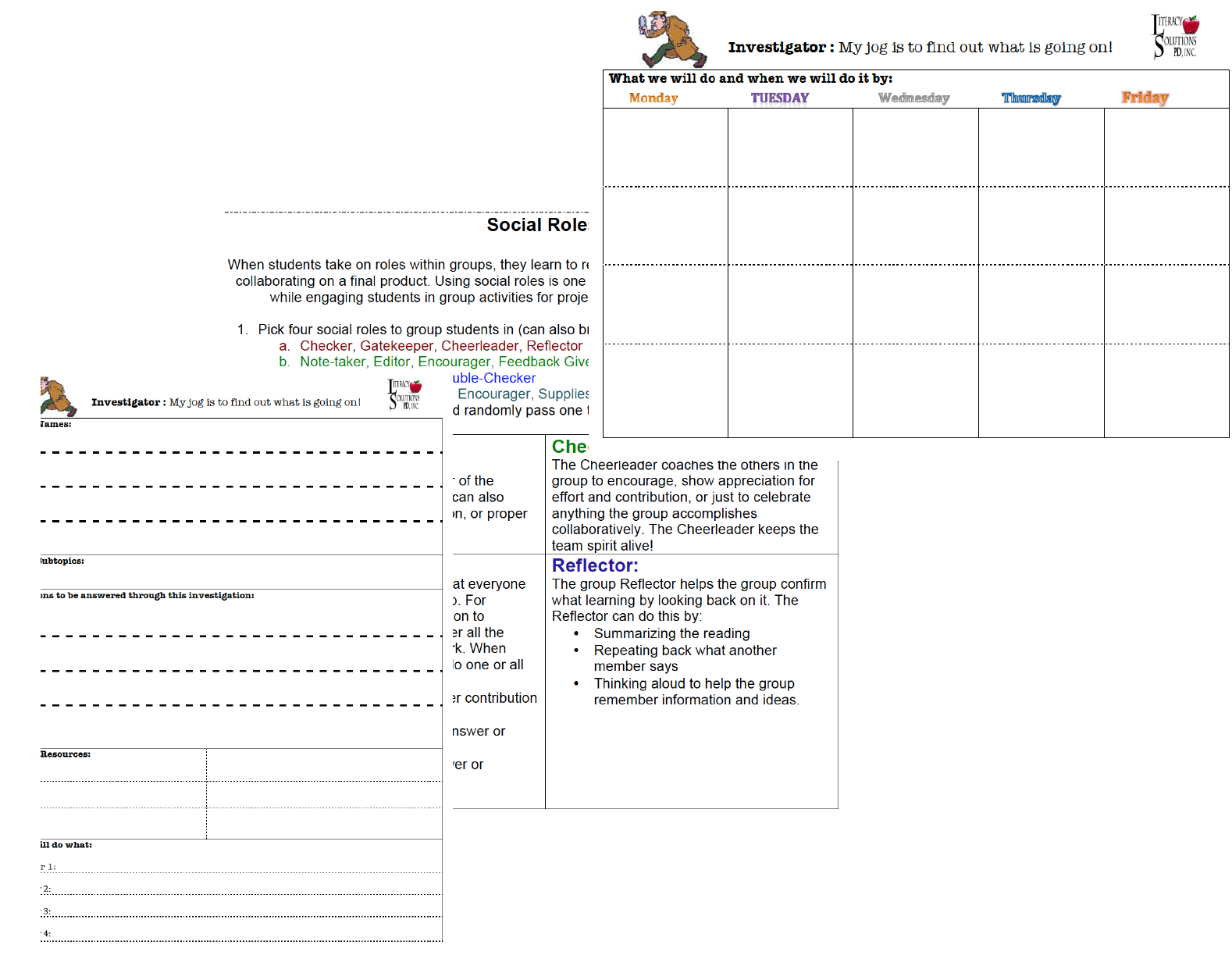
Other strategies found to be effective but underused (Stahl, 2004) include:
- Activation of Prior Knowledge
- Text Talk
- Directed Reading/Thinking Activities
- Literature Webbing
- Visual Literacy Training
- Video
Stahl (2004) also mentioned these techniques, widely used but not well-researched:
- Selection of main idea
- K-W-L
- Picture Walk
Primary students’ listening abilities have been proven to increase when teachers use these strategies (Morrow, 1984):
- Retelling and questioning strategies.
- Questions prior to reading and after the reading of a story - pre-reading, and post-reading.
- Students told to tell stories around story grammar conventions using story mapping.
Low achievers may respond to hands-on activities as a helpful tool for listening (Morrow, 1984). These are:
- Five finger retelling
- Each finger used as an element in the story, such a plot, character, plot
- Finger visuals or posters
3. Foundational Early Literacy Skills
1: Foundational Skills (sometimes referred as “decoding” skills), include:
- Alphabetic Knowledge: Accurate and Automatic Recognition of letters
- Phonological Processing: Connecting letters and letter combinations to the correct sounds
- Phonemic Awareness: Listeners are able to hear, identify and manipulate phonemes, the smallest units
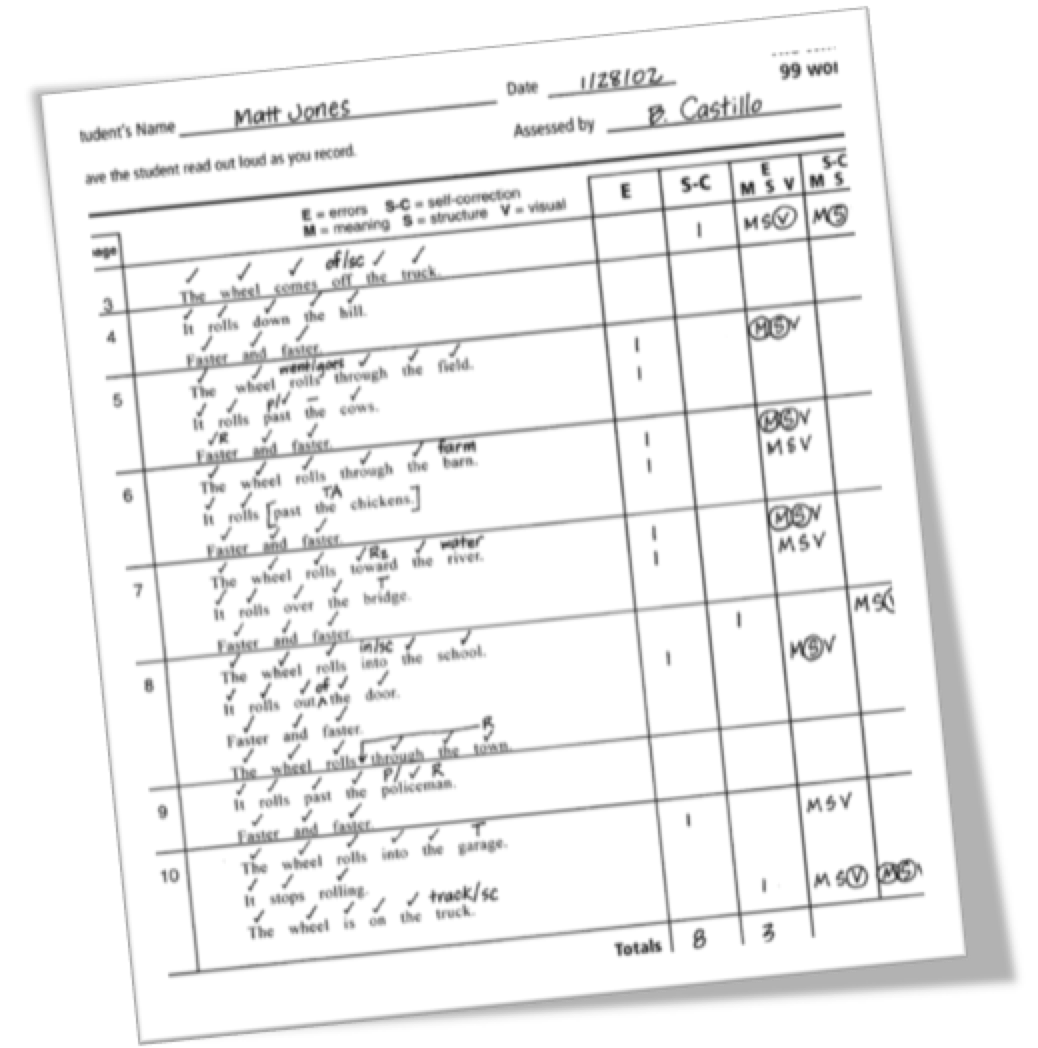 of sound that can differentiate meaning. Separating the spoken word "cat" into three distinct phonemes, /k/, /æ/, and /t/, requires phonemic awareness.
 - Phonological Awareness: Includes phonemic awareness but it also includes the ability to hear and manipulate larger units of sound, such as onsets and rimes and syllables.
- Recognition and Use of Morphemes and Bound Morphemes: A morpheme is the smallest grammatical or meaningful unit in a language. Morphemes are categorized as roots and affixes (prefix and suffix).
2. Read Aloud and Shared Interactive Reading, include:
Vocabulary: Children acquire a rich and varied vocabulary through study of words in the context of the world. The major source of vocabulary learning is listening and speaking. Tiering vocabulary words works to scaffod them to more proficient use, building that essential vocabulary needed for years to come.
Tier One words are the words of every day speech usually learned in the early grades, albeit not at the same rate by all children. They primarily pose a challenge to ELL children.
 Tier Two words (what the Standards refer to as general academic words) are far more likely to appear in written texts than in speech. They appear in both literary and informational text and require deliberate and repeated instruction. These words are the source of much of the difficulty lower-income children find with the complex texts used after grade 3.
Tier Three words (what the Standards refer to as domain-specific words) are specific to a domain or field of study. They are usually defined as “technical terms” in a glossary or within the text itself.
Comprehension: Without a rich working vocabulary in the content areas, taught in the context in which they are used, children will be less likely to understand the concepts presented in the complex texts of the upper elementary grades.
3. Guided Reading with Accountable Independent Reading:
In order to develop the reading fluency that comes with practice, the children must read a volume of reading with ongoing support (Guided Reading). Students need the opportunity to read a volume of texts that engage them, at times based on individual choice, at times based on direction by the teacher. An example of the latter would be to guide reading selections to enhance connections to topics and themes being addressed in the curriculum. Both of these selection criteria have the added benefit of allowing students to read harder text on their own than they might otherwise due either to motivation or the ability to build on an earlier knowledge base. At times these reading choices may come from texts suggested by the teacher for any number of specific purposes.
4. Metacognition
Metacognition and Reading
Metacognition is a student's ability to use prior knowledge to plan a strategy for approaching a learning task, take necessary steps to problem solve, reflect on and evaluate results, and modify his or her approach in order to get the most meaning from reading, thereby achieving the reading goal (reading for meaning, setting purposes).
Metacognition is a set of problem solving behaviors that occur naturally among proficient academic achievers and readers. When proficient readers read, they through new or unknown words by using context: reading ahead, re-reading, thinking about what the word might mean in another context, and 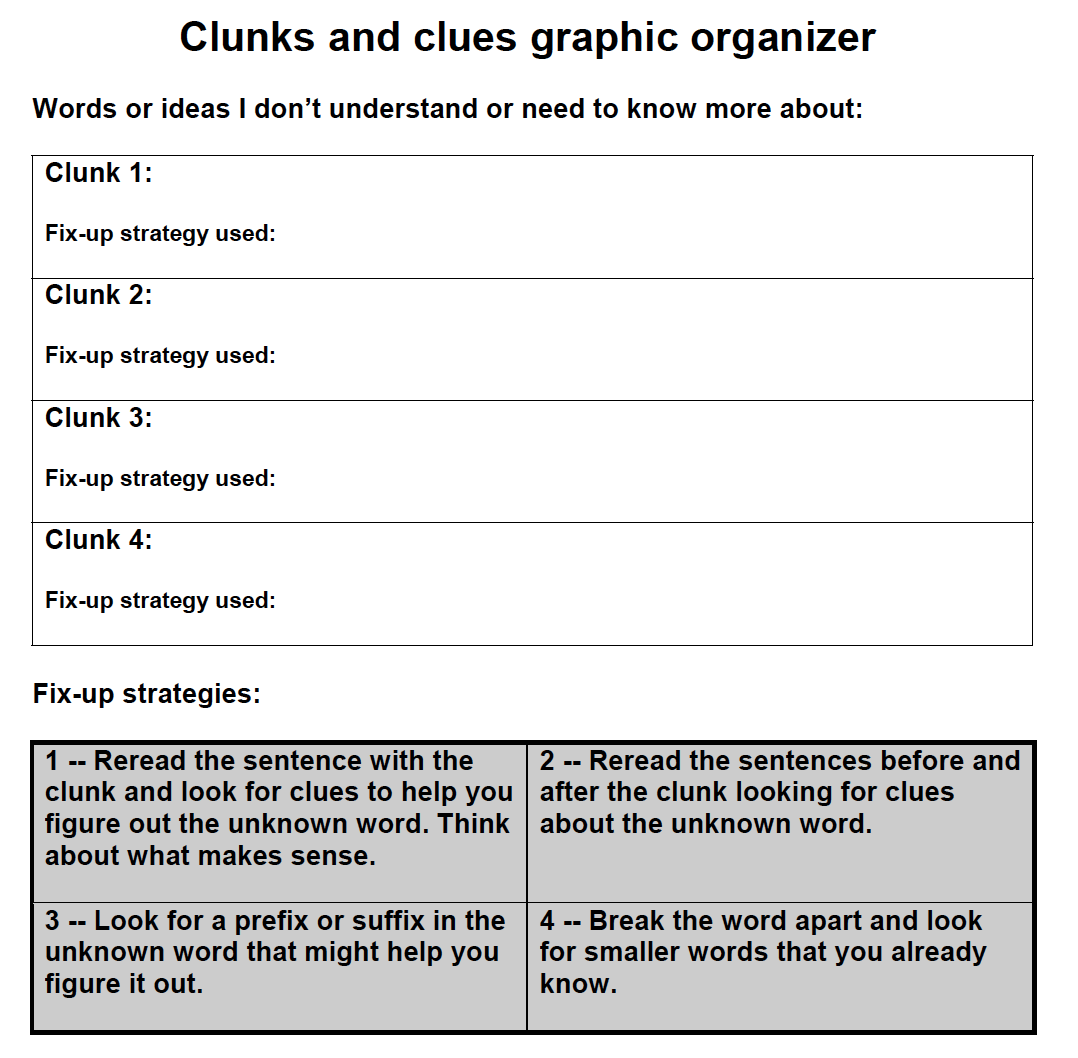 leveraging that with how it is used in the present context. Awareness of this thinking process allows a transfer to other challenges encountered when reading, and thereby becomes a cognitive process with the goal of problem solving. This is metacognition (Flavell, 1978).
Metacognition has strong implications for comprehension monitoring in reading. It is an act that allows readers to intentionally apply a think-through process to uncover meaning, and to go deeper into meaning. Through constantly monitoring their own thinking, they reach their reading goals sooner, and more intentionally. Self-correction is one result of metacognition, especially in beginner and emerging readers. When they make a miscue that doesn't make sense, or when an older reader encounters a new, unknown word, they think their way through it applying a metacognitive process, understanding that the process worked before, it will work again. Grammatically, syntactically, and conceptually, if a word doesn't make sense in the context it is used, good readers will continue to try, applying metacognition, until they get it right.
Struggling readers and students struggling to learn a new language will not apply metacognition, or engage in this problem solving behavior; rather, they'll just continue to read without drawing meaning or understanding, or shut down the act of reading altogether and become frustrated. We want struggling readers to understand that the act of reading is one of active thinking, seeking links between ideas in the text, their own experiences, and what makes sense in the context of what they are reading, whether it is new information or what they already know. Reading should be a rapid and seamless series of events that tie together when they are finished because of the work they did along the way. Struggling readers typically read to memorize details, and while this is a monitoring process, it is not the same and will not result in full understanding (Allington, 2001; 2008).
Teaching Struggling Learners and ELLs Metacognition
The best and strongest way to teach metacognition is to model it for students. When reading aloud, think outloud about your own process. Encounter a challenge word and think through it, for example:
"I'm not sure about this word. Let me back up and read that sentence again...still not sure, it looks familiar but doesn't make sense in this sentence. Maybe I am saying it wrong. (Tries saying it again.) It should sound like that but, let me keep reading the whole paragraph and then back up (reads entire paragraph). Yes, now that makes sense."
Another way to teach metacognition is to question a student when reading alongside him or her. If it is evident the student is struggling with the word, or did not say the word properly enough to make sense as it was intended to be used, but continues to read on anyway, stop the child and ask if it makes sense. Ask questions to help the student work through the process: back up, re-read the sentence, continue with the paragraph, back up and try it again. The Clunks and Clues strategy guide and graphic organizer can aid in this, and is in the Course Objectives | Research | Materials folder.
It is always best to teach metacognition while the students is encountering the reading problem. Other metacognitive strategies include:
- Facilitate Self-reflection. Have students reflect throughout the learning and reading process to critically analyze, draw conclusions, and leverage new information with prior knowledge. This can be achieved through reading logs, journals, note-taking, and even peer discussions.
- Teach Self-questioning. Teach learners to generate their own questions and answer them using questioning strategies such as Question Answer Relationships (QAR), Question the
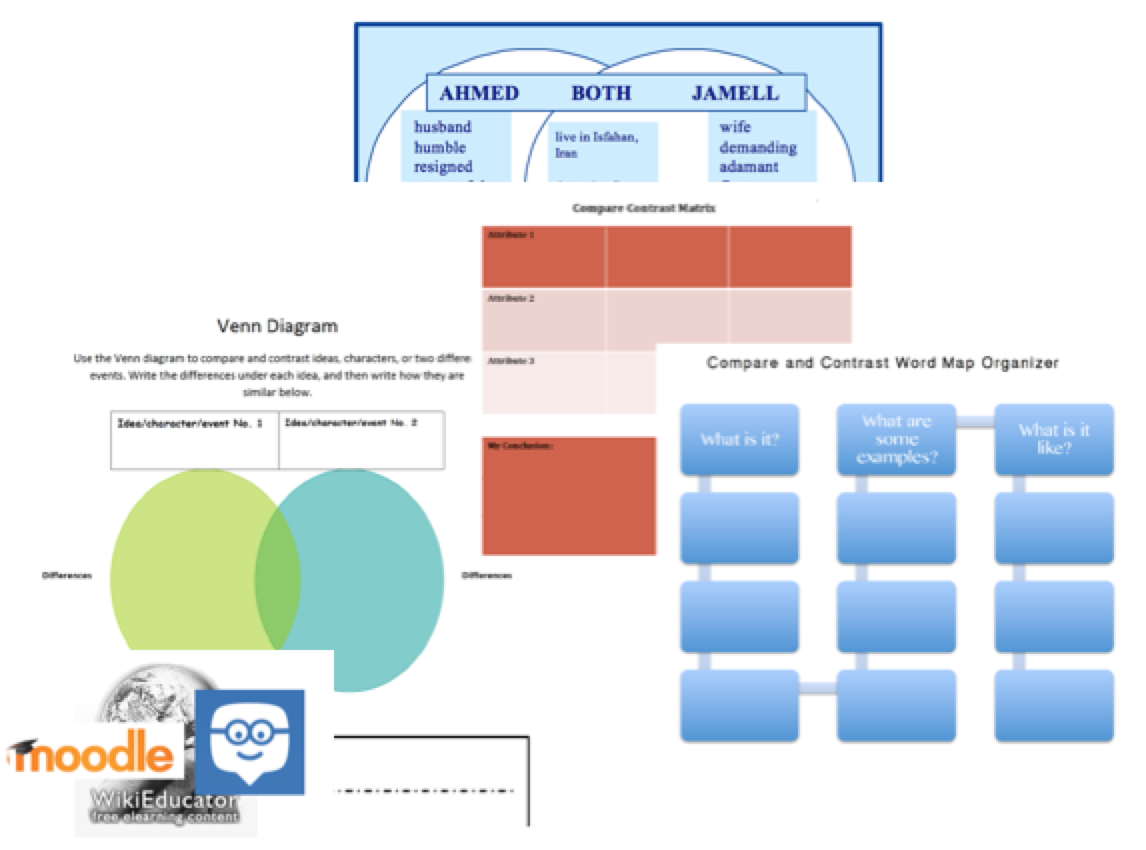 author (QtA), Self Questioning by Buehl, and Say Mean Matter - strategy guides for each of these can be found in the Course Objectives | Research | Materials folder.
 - Allow for Trial-and-Error learning. Our brains were designed to learn by mistakes (Jensen, 2008; Martinez, 2013). Allow students opportunities to make mistakes and continue trying. Build their capacity to lean into challenge versus run from failure.
- Pair students up with Mentors. Peers can become good role models in demonstrating use of strategy and skillful learning effort. Appropriately pairing ELLs with English speaking students can go a long way in advancing each of them academically. Teachers learn by teaching, and learners learn with observation.
- Team Problem Solving: Place students in cooperative learning teams to solve problems together. By discussing their approaches and coaching each other in working through the problem, students who struggle will see good strategy play out first-hand, and likely mirror it in their own.
References:
Flavell, J. H. (1987). Speculations about the nature and development of metacognition. In F. E. Weinert & R. H. Kluwe (Eds.), Metacognition, motivation, and understanding (pp. 21–29). Hillside, NJ: Lawrence Erlbaum Associates.
Schraw, G., & Dennison, R. S. (1994). Assessing metacognitive awareness. Contemporary Educational Psychology, 19, 460–475.
White, Barbara and John Frederiksen. A Theoretical Framework and Approach for Fostering Metacognitive Development. Educational Psychologist, 40(4), 211–223, 2005.
5. Teaching Vocabulary
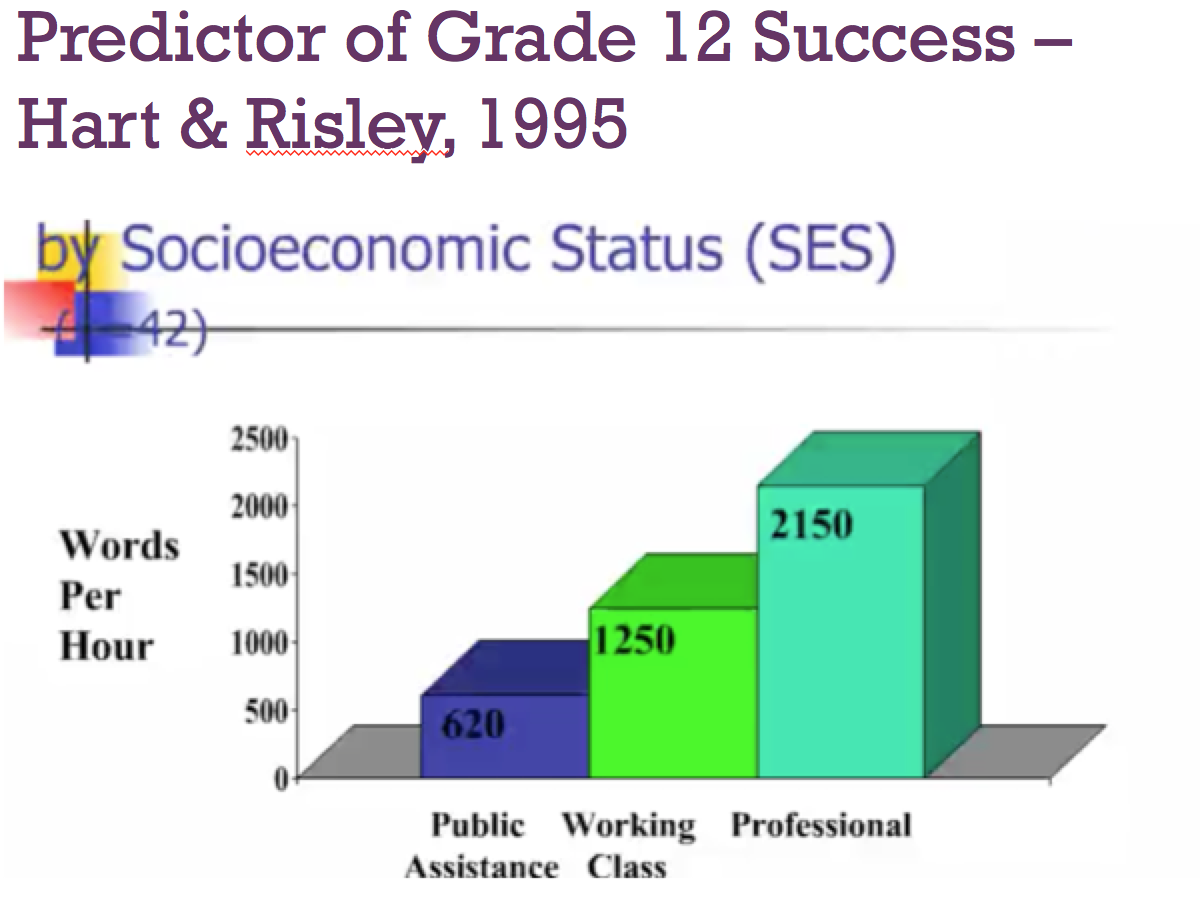
- Educated families hear 30 million more words by Kindergarten than those that are disadvantaged.
- Children learn to understand 3 words a week up to age 18 months
- After age 2, children learn about 10 words a day or about 3,500 words a year until age 30.
- First graders from higher SES groups know twice as many words as those from low SES groups.
- The quality of a parent’s language predicts a child’s language and performance at 3 years with continuing effects.
- In elementary school, children should learn 2,500 to 3,000 words a year.
- Vocabulary knowledge influences reading comprehension
- Exposes students to knowledge
- Factors into the achievement gap
- Must be systematically taught for ELLs and classified students
- Must be taught in ALL content areas
- It takes a minimum of 26 times of successful, accurate exposure to a word before it is mastered – reading, writing, speaking, listening/hearing
- Students need multiple exposures to a word to learn it well (Lawrence, 2009; Nagy, Herman, & Anderson, 1985).
- All students need additional encounters in different contexts to ensure that they develop rich orthographic, phonological, and semantic knowledge of the word (Perfetti & Hart, 2002).
- McKeown, Beck, Omanson, and Pople (1985) found that students who had 12 instructional encounters with target words learned the words better than students who had only four.
- Indirectly
- Explicitly
- Word-conscious teachers who use unusual words
- Repetition
- Rich literacy environments
- Responsive discussions using children’s literature
- Back and forth conversations, expansions, repetitions
- Questions to get children to talk
- In content areas: music, art, social studies, sicence play, math
- Prefixes, suffixes, roots, phonics, morphology – 2nd grade and up
See the Course Objectives | Research | Materials folder for resources that aid in teaching vocabulary
- Accessible books: 5 – 8 per child at a range of 3 to 4 grade levels
- Rocking chair, rugs, throw pillows – environment!
- Multiple genres
- Open-faced shelving
- Books stored by genre
- Leveled books
- Felt board and roll stories
- Method for checking out books (book bags)
- Books on audio/cd
- Rules and modeled use of materials
- Organized literacy centers
Word Count: www.wordcount.org/main.php
Student-friendly Definitions: Longman Dictionary of Contemporary English: www.ldoceonline.com
To support students' morphological skills and word learning strategies: Visuword Online Graphical Dictionary www.visuwords.com/search
WordSift: www.wordsift.com
Word Generation: (http://wordgeneration.org)