Differentiating With Data
3. Student Artifacts as Data
Charlotte Danielson (2013) identifies student artifacts, or data for non-observable components of teacher evidence (Danielson Instructional Framework, 2013) with which to establish a culture of learning with high value for what is being learned, high-quality expectations, and in recognition of student effort. These are those non-observable components to daily instruction that we typically might not regard as valuable data. In fact, this data has proven to be quite valuable within the entire spectrum of student learning, from planning and implementation, to final product. Communication with all stakeholders - students, parents, leadership, and teachers - helps to establish clarity of lesson, purpose, instill enthusiasm for learning, and provide reinforcement for those high cognitive challenges needed to formulate inquiry and develop high levels of student participation. Those non-observable artifacts to teaching can provide some of the meatiest and most meaningful formative assessment data when we seek immediate change in student progress.
Non-observable artifacts:
|
Lesson plans IEPs Portfolios Newsletters Videos of teaching practice Assignment design Use of data Learning objectives Learning targets Rubric development Emails |
Phone logs PLC notes Data analysis Discipline referrals Posted routines Posted rules and goals Teacher work products Student reflection journals Programs Guest speakers Work with special education teachers to modify curriculum |
Exit tasks Teacher website Clock hour transcript(s) Student goal setting form Curriculum development Leading professional development activities Peer assistance Mentoring coaching Student work samples Common assessments Formative assessments/Summative assessments |
|
|
Other examples from within the classroom and overall instructional environment include:
- Created bulletin boards
- Displayed student work
- Displayed class rules, inspirational posters
- Class contract establishing expectations
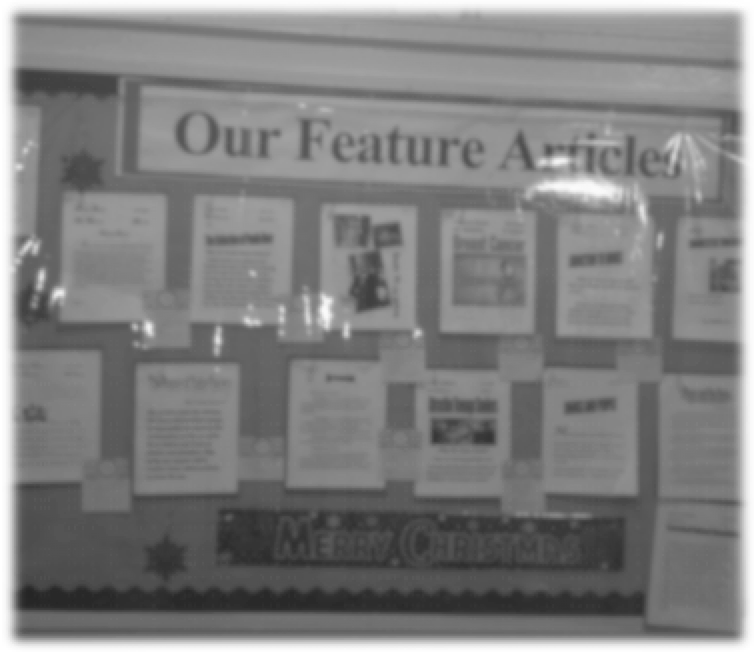
- Artifacts depicting classroom management procedures
- Artifacts depicting organizational procedures
- Artifacts depicting management of student behavioral procedures
- Samples of student work (projects, homework, labs, independent readings, essays, etc.)
- Assessment tools (quizzes, exams, reading activities)
- Field trip/guest speaker records
- Records of contests entered and/or won by students
- Interdisciplinary instruction
- Samples of homework assignments
- Samples of differentiated instruction
- Artifacts of motivational activities
- Examples of independent study activities
- Examples of group work activities
Observational data, also known as kid watching, helps us understand what students know and what they do not know. Below are some techniques useful in capturing and documenting data about what students know and where they need continued instruction or assistance (found in the Course Objectives | Research | Materials folder):
Anecdotal Notes: Short notes written taken while a lesson is in progress as students are working in groups or individually.
Anecdotal Notebook: A record using a notebook of ndividual student progress as they work, looking at student performance over time.
Anecdotal Note Cards: Notecards are used to record observations on students with.
Labels or Sticky Notes: Teachers carry a clipboard with a sheet of labels or a pad of sticky notes to make observations with while circulating the classroom. Notes are placed in student folders later.
How do these artifacts work as formative assessment data? How do we glean them for the kind of information we need in order to improve, and/or result in, focused instructional delivery? Let's continue to keep this in mind as we explore more about data-driven strategy - how to analyze data, what to do with the analysis, how to leverage existing practice with new strategy geared specifically to what the data say students need.
Danielson, C. (2013). The Framework for Teaching Evaluation Instrument. Princeton, NJ: The Danielson Group.